What Are Your Glaucoma Risk Factors?
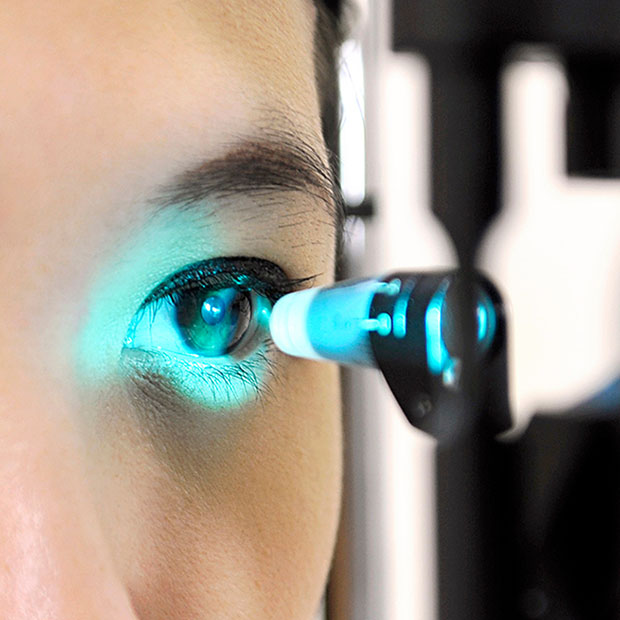
Glaucoma is often called the “silent thief of sight,” and for good reason.
This group of eye diseases can gradually steal your vision without warning signs until significant damage has occurred. Understanding your risk factors is the first step in protecting your eyesight and catching this condition early when treatment is most effective.
Age and Family History
Your risk of developing glaucoma increases significantly after age 60, though certain types can affect younger adults as well. If you have a family history of glaucoma, your risk multiplies. Having a parent or sibling with glaucoma makes you four to nine times more likely to develop the condition yourself. This genetic connection makes regular eye exams even more critical if glaucoma runs in your family.
Ethnicity Matters
Research shows that certain ethnic groups face higher glaucoma risks. African Americans are significantly more likely to develop glaucoma at younger ages and experience more severe vision loss. People of Asian descent have an increased risk of angle-closure glaucoma, while those of Hispanic heritage face elevated risks similar to African Americans. These disparities make culturally aware screening and early detection programs essential.
Medical Conditions
Several health conditions can increase your glaucoma risk. Diabetes is a significant factor, as high blood sugar levels can damage the optic nerve and increase eye pressure. High blood pressure, heart disease, and hypothyroidism have all been linked to increased glaucoma risk. If you have any of these conditions, coordinating care between your primary physician and eye doctor is vital.
Eye-Related Risk Factors
Certain eye characteristics and conditions can predispose you to glaucoma. High intraocular pressure (IOP) is one of the most significant risk factors, though it’s important to note that you can develop glaucoma with normal pressure readings. Thin corneas, extreme nearsightedness or farsightedness, and previous eye injuries or surgeries can all increase your risk. Past eye inflammation or tumors also warrant closer monitoring.
Medication Use
Long-term use of corticosteroid medications, whether in eye drop, pill, or inhaler form, can increase your risk of developing glaucoma. If you require these medications for other conditions, your eye doctor should monitor your eye pressure more frequently.
What You Can Do
While you can’t change factors like age, ethnicity, or family history, knowing your risk profile empowers you to take action. Schedule comprehensive eye exams at intervals recommended by your optometrist based on your risk factors. These exams should include pressure measurements, optic nerve evaluations, and visual field tests.
Maintain a healthy lifestyle by managing conditions like diabetes and high blood pressure, eating a nutritious diet rich in leafy greens and omega-3 fatty acids, exercising regularly, and protecting your eyes from injury.
Early Detection Is Essential
Remember, early detection is your best defense against vision loss from glaucoma. The disease may not announce itself with symptoms, but regular eye exams can catch it before irreversible damage occurs. Don’t wait for problems to arise. If you have multiple risk factors, talk to your eye care professional today about a personalized screening schedule that keeps your vision protected for years to come.